Athlete’s Foot and Fungal Infections: Causes, Symptoms, and Treatment
Fungal infections of the feet are among the most common skin conditions worldwide. One of the most prevalent forms is tinea pedis, commonly known as “athlete’s foot.” Although often associated with athletes, this infection can affect anyone, especially in warm, humid environments.
Understanding the causes, symptoms, and treatments is essential not only for comfort but also for preventing further complications and transmission.
What Is Athlete’s Foot?
Athlete’s foot is a contagious fungal infection that affects the skin of the feet, particularly between the toes. The condition is caused primarily by a group of fungi known as dermatophytes, which thrive in moist, warm areas like locker rooms, swimming pools, socks, and shoes.
Although the name suggests it’s limited to athletes, the infection can affect anyone who is exposed to conditions that allow fungal growth—especially people who wear tight or non-breathable footwear, have sweaty feet, or frequent communal showers and gyms.
Common Causes of Athlete’s Foot
The primary cause of athlete’s foot is infection by dermatophytes such as Trichophyton rubrum, Trichophyton interdigitale, and Epidermophyton floccosum. These fungi feed on keratin, a protein found in skin, hair, and nails.
Contributing risk factors include:
- Wearing tight, closed shoes for long periods
- Not drying feet properly after bathing
- Walking barefoot in public areas
- Sharing towels, socks, or shoes
- Excessive sweating (hyperhidrosis)
The fungi are easily transmitted through direct skin contact or indirectly through contaminated surfaces like mats, floors, and towels.
Recognizing the Symptoms
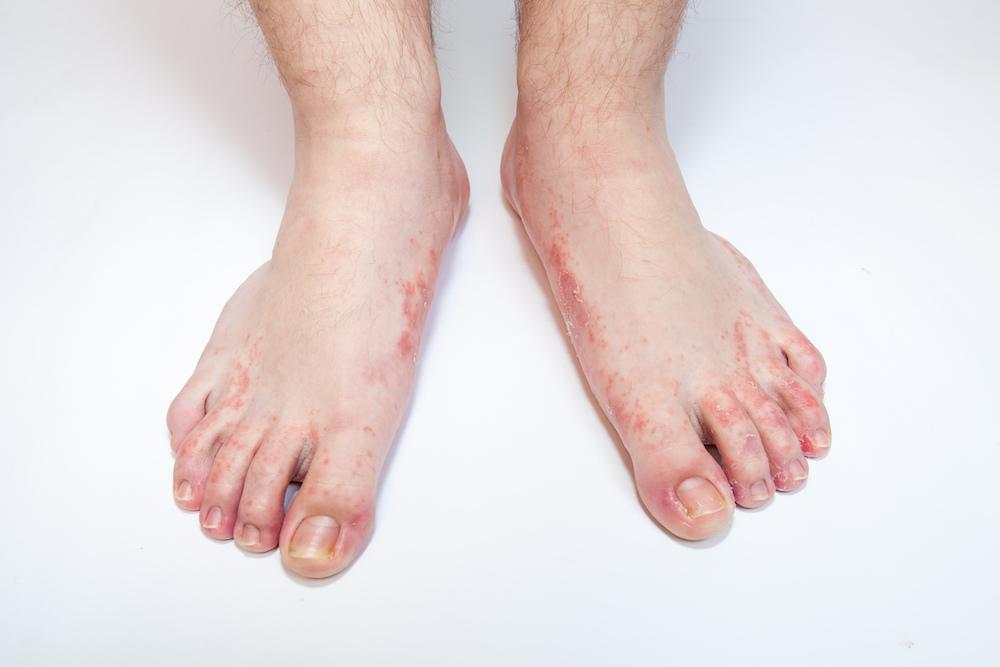
Symptoms of athlete’s foot can vary depending on the type and severity of the infection, but they generally include:
- Itching, stinging, or burning between the toes
- Red, scaly rash that may crack or peel
- White, soggy skin especially between the toes
- Blisters or ulcers in more severe cases
- Dryness and scaling on the soles and sides of the feet
- Foul foot odor
If left untreated, the infection can spread to other parts of the body, including the toenails (causing onychomycosis), hands (tinea manuum), or groin (tinea cruris or “jock itch”).
Types of Athlete’s Foot
There are several clinical presentations of athlete’s foot, including:
- Interdigital (Toe Web) Infection
The most common form, usually affects the area between the fourth and fifth toes. The skin may appear moist, white, and peeling. - Moccasin-Type Infection
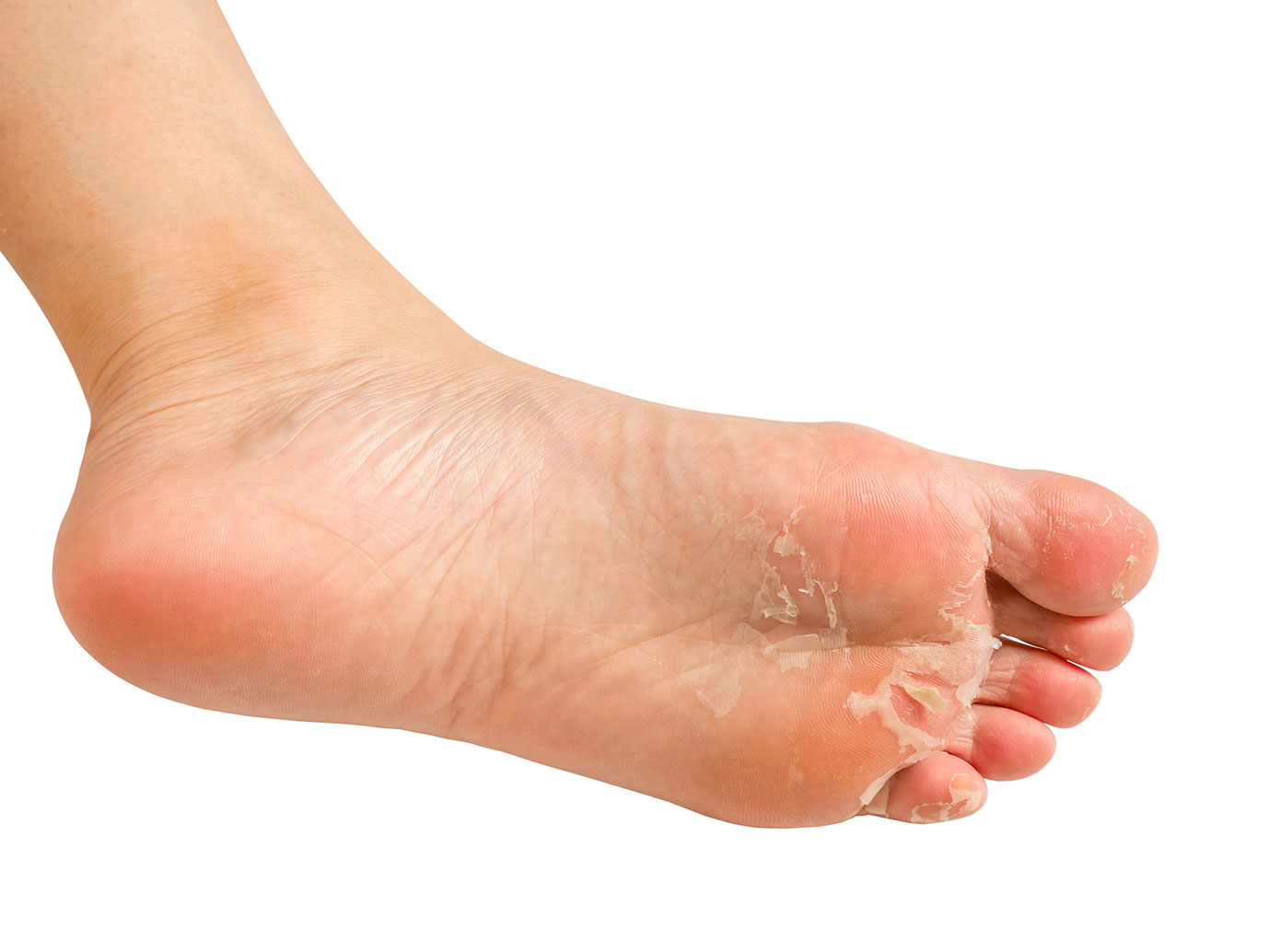
Causes dry, scaly skin on the soles and sides of the feet, resembling a moccasin pattern. It may also lead to thickened skin and nail involvement. - Vesicular Type
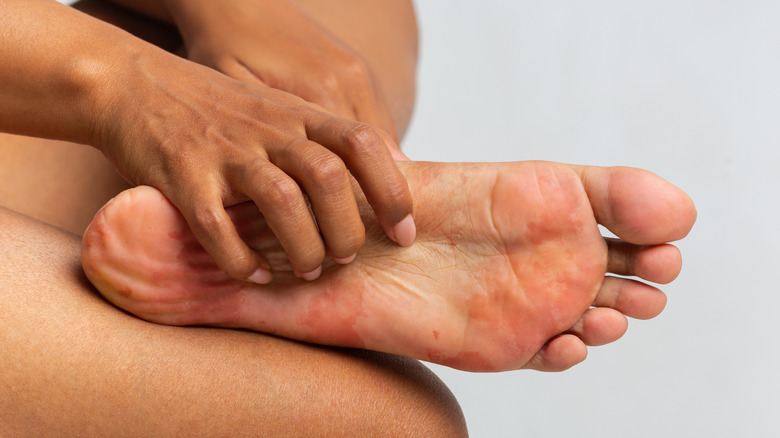
Less common, this type features fluid-filled blisters, typically on the sole of the foot. It may cause pain or secondary bacterial infection.
How Is It Diagnosed?
Diagnosis is often based on the appearance of the skin. In unclear cases, a healthcare provider may perform a potassium hydroxide (KOH) test, skin scraping for fungal culture, or a Wood’s lamp examination.
These tests help confirm the presence of fungal organisms and rule out similar-looking conditions such as eczema, psoriasis, or bacterial infections.
Effective Treatments for Athlete’s Foot
Mild cases of athlete’s foot can often be treated at home with over-the-counter (OTC) antifungal medications. More severe or persistent infections may require prescription-strength treatments.
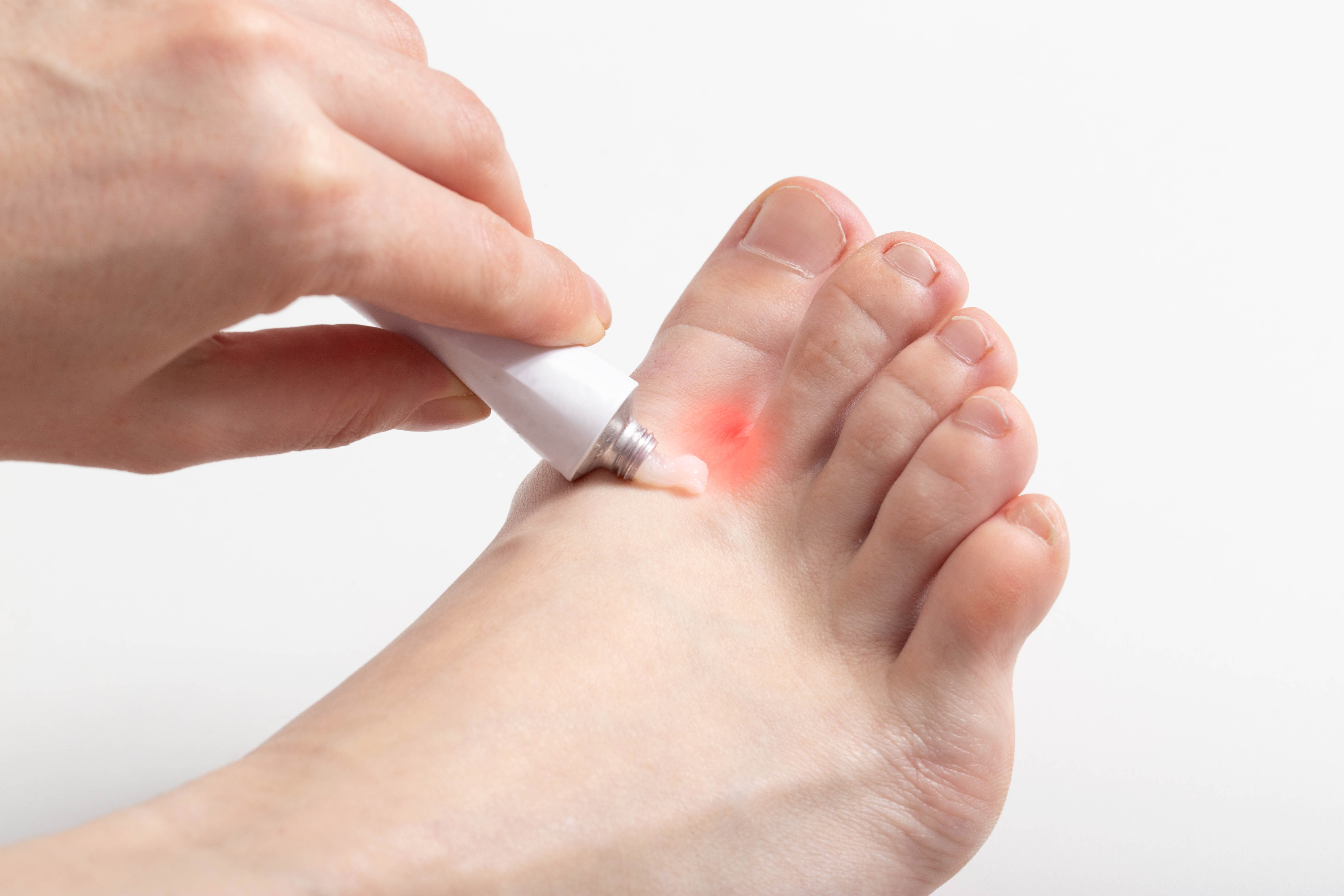
1. Topical Antifungals
Common OTC treatments include:
- Clotrimazole 1% cream
- Miconazole nitrate
- Terbinafine (Lamisil)
- Tolnaftate
- Ketoconazole
These should be applied for at least 2–4 weeks, even after symptoms subside, to prevent recurrence.
2. Oral Antifungals
In resistant cases or if the infection spreads to the nails, doctors may prescribe:
- Terbinafine (oral)
- Itraconazole
- Fluconazole
Oral antifungals typically require a 2–6 week course, and liver function may be monitored in long-term treatments.
3. Supportive Measures
Keep feet clean and dry, especially between toes
- Use antifungal powders or sprays
- Change socks daily, preferably cotton or moisture-wicking types
- Avoid walking barefoot in communal areas
- Disinfect shoes and alternate pairs to allow them to dry

Prevention Tips
Preventing athlete’s foot is often easier than treating it. Good hygiene and protective habits can drastically reduce your risk.
- Dry your feet thoroughly after washing.
- Don’t share personal items like towels or footwear.
- Wear flip-flops in public showers or pool areas.
- Let shoes air out and avoid wearing the same pair daily.
- Use foot powders if you sweat heavily.
- Wash socks and towels in hot water.
Complications If Left Untreated
While athlete’s foot is usually not dangerous, complications can arise if it’s ignored:
- Nail fungal infection (onychomycosis) – difficult to treat and often requires months of medication.
- Secondary bacterial infection – cracked or blistered skin may allow bacteria to enter, potentially leading to cellulitis.
- Spread to other body parts – including hands, groin, or underarms.
People with diabetes or weakened immune systems are especially at risk of complications and should seek prompt treatment.
When to See a Doctor
Seek medical advice if:
- Symptoms don’t improve after two weeks of self-treatment
- The infection spreads beyond the feet
- You notice signs of bacterial infection: redness, pus, swelling
- You have diabetes or peripheral neuropathy
A healthcare provider may adjust treatment or conduct further tests to rule out other conditions.
Final Thoughts
Athlete’s foot is a common and treatable condition, but it requires timely attention and consistent hygiene to manage effectively. Early treatment with antifungal medications, good foot care habits, and preventive measures can help keep your feet healthy and free from recurring fungal infections.