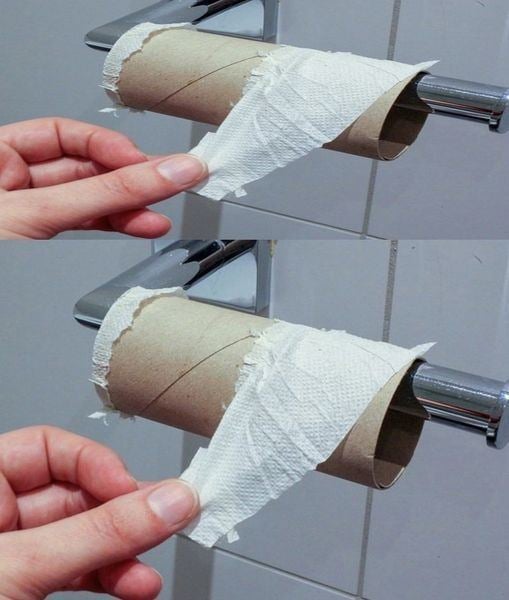
Toilet paper was invented by Joseph Gayetty in the United States during the mid-19th century and quickly became a global necessity. However, the production of toilet paper has a significant environmental footprint. Each year, millions of trees are cut down to meet the demand for this everyday product. The process of turning trees into paper requires large amounts of water and energy, contributing to deforestation, water pollution, and higher carbon emissions. This environmental toll has led to increasing pressure on manufacturers to adopt more sustainable practices.
The production of toilet paper also involves bleaching, which can release harmful chemicals into water systems. These chemicals can affect aquatic ecosystems and harm local wildlife. Additionally, the transportation of toilet paper to stores requires fossil fuel-powered vehicles, further contributing to greenhouse gas emissions. With concerns about climate change intensifying, many are questioning the long-term sustainability of relying on toilet paper as a primary sanitation product.
As environmental awareness grows, people are exploring alternatives to traditional toilet paper that could help reduce its impact. Some options include bidets, reusable cloth wipes, and toilet paper made from recycled materials or bamboo, a fast-growing and more sustainable resource than trees. Bidets, which are common in many parts of the world, use water to clean, thus significantly reducing the need for toilet paper altogether. Reusable cloth wipes, while less common, are gaining popularity among eco-conscious individuals who are willing to make the switch for the sake of sustainability.
Bamboo toilet paper has also gained traction in the market, as bamboo is a renewable resource that can be harvested without causing deforestation. Unlike traditional paper products, bamboo requires minimal water and pesticides to grow, making it a more environmentally friendly alternative. Manufacturers are increasingly offering bamboo-based products as a way to reduce the environmental impact of toilet paper production.