You’ve likely heard of hyperuricemia, a condition marked by an excessive amount of uric acid in the blood. But what exactly causes it? And how can it impact your health?
High Uric Acid: Causes, Symptoms, and Treatment
Uric acid is naturally produced in the body during the breakdown of nucleic acids (DNA and RNA). It also forms in smaller amounts when purines—proteins found in certain foods—are metabolized. A diet high in purines means more uric acid is created.
Normally, the kidneys filter and eliminate uric acid without issues. However, problems arise when the body either produces too much or can’t excrete it effectively. In such cases, uric acid can crystallize and settle in joints, causing intense pain.
Common Causes of High Uric Acid

Overproduction of uric acid by the body
Kidney dysfunction leading to poor excretion
High intake of purine-rich foods
Alcohol and substance use
Additional Risk Factors
Frequent caffeine or alcohol consumption
Family history of gout
Use of iodine-based contrast for X-rays
Chronic stress
Conditions like hypertension, diabetes, obesity, and high cholesterol
Symptoms
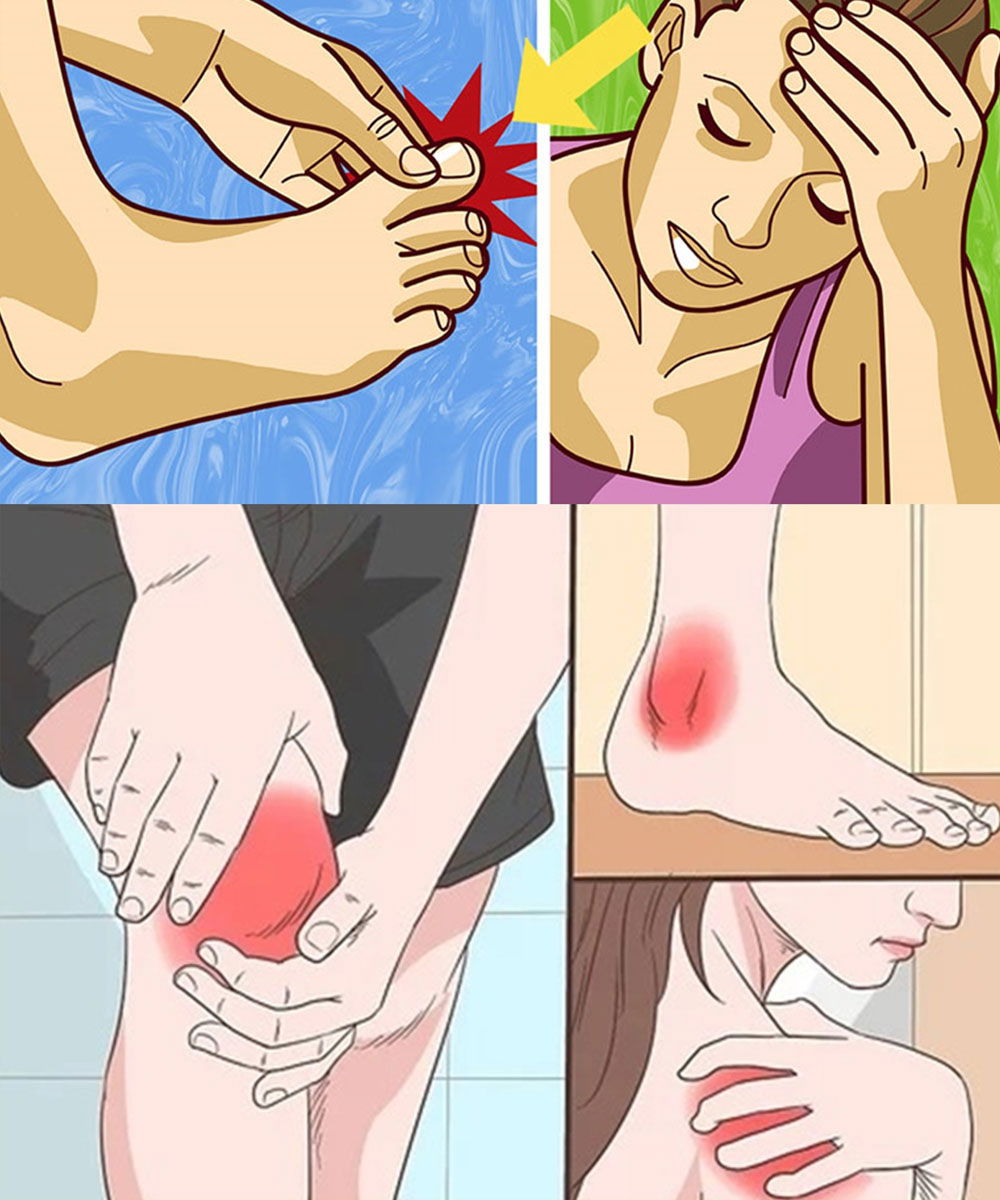
High uric acid often goes unnoticed at first. However, one major complication is gout, caused by uric acid crystals building up in the joints.
Other signs include:
Swollen, red, or painful joints
Limited joint movement—especially in fingers, knees, ankles, heels, and toes
Joint deformities in severe cases
Recurrent kidney stones causing back pain and difficulty urinating
Treatment
The main goal is to lower uric acid levels. This typically involves:
Dietary changes: Avoid purine-rich foods and drink plenty of low-mineral water
Medication: Anti-inflammatory drugs to manage pain and drugs that reduce or block uric acid absorption
Preventive meds: Xanthine oxidase inhibitors may be prescribed for long-term control, not just during flare-ups
Recommended Foods
Artichokes
Onions
Celery
Pumpkin
Carrots
Strawberries
Citrus fruits
Eggs
Low-mineral water
Foods to Avoid
Red meat
Shellfish
Certain fish
Spinach
Mushrooms
Cauliflower
Asparagus
Alcohol
Sugary soft drinks
Prevention Tips
If you’re at risk, get annual checkups
Drink chamomile or horsetail infusions twice a week
Stay hydrated—aim for at least 2 liters of water daily
Limit red meat and seafood
Always seek medical advice for symptoms or concerns